My Reflection of Software Engineering
15 Dec 2023Beyond the Web: Reflections on Software Engineering Fundamentals
This final essay marks the culmination of my journey through this software engineering course. While the course focused on web application development, it delved deeper, instilling valuable lessons that extend far beyond the realm of pixels and servers. Today, I want to reflect on three key areas that have reshaped my understanding of software engineering: Agile project management, development environments, and design patterns.
Agile Project Management
Gone are the days of rigid timelines and waterfall methodologies. Agile has emerged as a powerful tool, replacing predictability with adaptability. Imagine a butterfly flapping its wings in Brazil, causing a storm in Texas. Agile embraces this interconnectedness, iterating quickly and adapting to changing needs. We learned about Issue-Driven Project Management, where tasks arise organically, prioritized based on their immediate impact. This fostered a collaborative environment, where feedback loops became our compass, guiding us towards continuous improvement.
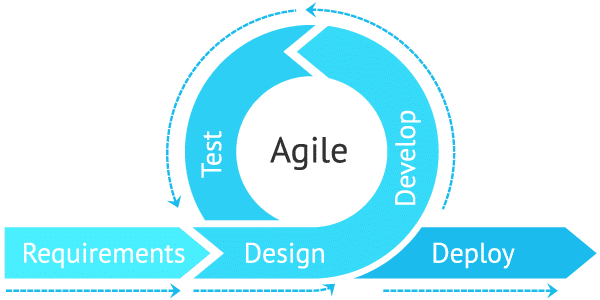
This isn’t just for web apps. Imagine working on a complex research project. Instead of a rigid plan, we can embrace Agile’s iterative approach. We start with well-defined user stories, prioritize them based on their scientific merit, and work in short sprints, constantly refining our approach based on new findings. This dynamic process allows us to navigate the ever-changing landscape of knowledge, ensuring we’re always on the right track.
Development Environments
Just as a conductor needs the right instruments for a harmonious orchestra, developers need the right tools to create software symphonies. This course introduced us to IntelliJ, a powerful IDE that became our digital playground. Extensions like Meteor, React, and ESLint became our trusty instruments, streamlining development and ensuring code quality.
Meteor, for instance, simplified full-stack development, letting us focus on building features instead of wrestling with frameworks. React’s component-based approach brought modularity and clarity to our UI code. And ESLint, our ever-vigilant guardian, kept our code clean and consistent, preventing bugs before they could even sprout.
These tools aren’t just for web apps. Imagine writing firmware for a complex embedded system. IntelliJ’s debugging capabilities can help us step through code line by line, understanding the delicate interplay of hardware and software. Tools like Git can help us manage different versions of the firmware, ensuring smooth integration and deployment.
Design Patterns
Software development often feels like reinventing the wheel. But why reinvent when we can learn from the past? Design patterns are the accumulated wisdom of software engineers, proven solutions to recurring problems. We learned about patterns like the Observer pattern, enabling efficient communication between different parts of our applications. We used the Adapter pattern to bridge the gap between incompatible interfaces.
These patterns aren’t just for web apps. Imagine designing a complex AI algorithm. We can use the Strategy pattern to swap different learning algorithms depending on the data we’re dealing with. The Factory pattern can create different types of AI agents based on the current task at hand.
These are just a few examples of how the lessons learned in this course transcend the boundaries of web development. Agile project management has taught me the power of adaptability and collaboration. Development environments have shown me the value of the right tools and techniques in crafting clean and efficient code. Design patterns have instilled in me the wisdom of building upon the shoulders of giants, leveraging proven solutions to save time and effort.
As I leave this course, I do so with a newfound appreciation for the depth and breadth of software engineering. It’s not just about writing code; it’s about applying fundamental principles to solve problems, no matter the context. I am confident that the lessons learned here will serve me well throughout my career, empowering me to build not just web applications, but any software system that can change the world, one butterfly effect at a time.